Showing posts with label Faith Journey. Show all posts
Showing posts with label Faith Journey. Show all posts
Saturday, March 08, 2014
It seemed pertinant to the discussion of Lent, Suffering & Joy
“If we accept that we have at least an iota of free will, we cannot
throw it back the moment things go wrong. Like a human parent, God will
help us when we ask for help, but in a way that will make us more
mature, more real, not in a way that will diminish us.”
—Madeleine L'Engle


Wednesday, March 05, 2014
Lent, Suffering, and a Joy Dare
The thing that "gets" me every time I sit down to really take a look at joy, at what it is, what it means, and how we find it (practice it? develop it? live it?) is the inclusion of suffering in the equation. A discussion about joy only goes so far before one runs into some seriously dark questions. How can I find joy when I lose someone precious? When war erupts? When a job is lost? When trust is broken? When hope seems so very, very far away?
It's easy to be joyful when life clips along smoothly and things go as planned. But is that really joy? I think sometimes it is. We can be both happy and joyful. All too often, though, when happiness wanes, we find that we must dig deep to find an underlying joy. Walt Wangerin, Jr. says,
So much of me is still resistant to this idea. Does this mean that God wills suffering? Even that God allows suffering for our own character development is too much for me. I can abide that God allows suffering because people have free will, and God allows for free will, and free will sometimes means that horrific things happen. But I cannot abide a God who allows suffering for my own character development. Maybe minor suffering - like reaping the consequences of my own mistakes. This is the kind of suffering I allow my children. I want them to learn from their mistakes. So, I don't step in and fix everything for them. But if something or someone else is threatening my child? You better believe I'll step in. You better believe I'll do everything I can to save them.
William P. Young takes on this idea in his book, The Shack, by suggesting that it makes a difference that we are all children of God. So, of course, I would defend my child against someone hurting them. But what if one of my children hurts one of my other children? Am I quite so ruthless then? Will I still go all "Mama Bear" when my child is being hurt? Most likely, the answer is more that I want to save both of them. I want the perpetrator to be spared...in case there's a possibility for a change of heart. I want the victim to be safe. I want them both to know I love them. I hope that my love has the power to change.
But then, the analogy also breaks down when we are talking about God because God has the power to bring about both outcomes, right? And it seems that at least some of the time God has stepped in to save some children, who need saving, and to destroy some children bent on destruction. The Bible tells us so. And then I come all the way back to the original question. Is suffering allowed because it brings about greater joy? Is it really true that we only know true joy in the face of (or aftermath of) sorrow? Is this why some suffering is allowed? I am afraid I don't have any answers. My hands come up full of ashes.
I know for sure that, as a human, I am, indeed, more aware of the joys in life when I have suffered, when I have been wounded. The joys, then, are piercing, poignant. I remember this beautiful scene in Tolkien's book, The Return of the King, when Frodo and Sam return after destroying the ring:
And I think that maybe this is something we can only understand in stories. It is something we only know in the living out of our lives. It isn't something that can be known in so many words or explained in the theology books. It isn't something that makes sense. It is something that is in the fabric of our humanness, and, perhaps, it is something of God's image in us. Joy following suffering, following the epic drama.
And does God allow it? Does God create it? I don't know. I know God uses it. I think I understand that God suffers, too. That God suffers with us. Mike Freeman in his blog, "wordhavering," sums up some ideas of Nadia Bolz-Weber and Richard Rohr this way (from his blog post: caged god):
It's easy to be joyful when life clips along smoothly and things go as planned. But is that really joy? I think sometimes it is. We can be both happy and joyful. All too often, though, when happiness wanes, we find that we must dig deep to find an underlying joy. Walt Wangerin, Jr. says,
"The difference between shallow happiness and a deep, sustaining joy is sorrow. Happiness lives where sorrow is not. When sorrow arrives, happiness dies. It can't stand pain. Joy, on the other hand, rises from sorrow and therefore can withstand all grief."Wangerin then draws a connection to the church season of Lent, a time when many church folks mark themselves with ashes and put on grief and mourning, when we deprive ourselves in order to remember suffering and to bring forth...joy?
"In the sorrows of the Christ - as we ourselves experience them - we prepare for Easter, for joy. There can be no resurrection from the dead except first there is a death! But then, because we love him above all things, his rising is our joy. And then the certain hope of our own resurrection warrants the joy both now and forever."In the same way, the Jews taste the bitter herbs during the Passover Seder, to remember the suffering, to increase the joy. "When Adar comes, joy is increased."
So much of me is still resistant to this idea. Does this mean that God wills suffering? Even that God allows suffering for our own character development is too much for me. I can abide that God allows suffering because people have free will, and God allows for free will, and free will sometimes means that horrific things happen. But I cannot abide a God who allows suffering for my own character development. Maybe minor suffering - like reaping the consequences of my own mistakes. This is the kind of suffering I allow my children. I want them to learn from their mistakes. So, I don't step in and fix everything for them. But if something or someone else is threatening my child? You better believe I'll step in. You better believe I'll do everything I can to save them.
William P. Young takes on this idea in his book, The Shack, by suggesting that it makes a difference that we are all children of God. So, of course, I would defend my child against someone hurting them. But what if one of my children hurts one of my other children? Am I quite so ruthless then? Will I still go all "Mama Bear" when my child is being hurt? Most likely, the answer is more that I want to save both of them. I want the perpetrator to be spared...in case there's a possibility for a change of heart. I want the victim to be safe. I want them both to know I love them. I hope that my love has the power to change.
But then, the analogy also breaks down when we are talking about God because God has the power to bring about both outcomes, right? And it seems that at least some of the time God has stepped in to save some children, who need saving, and to destroy some children bent on destruction. The Bible tells us so. And then I come all the way back to the original question. Is suffering allowed because it brings about greater joy? Is it really true that we only know true joy in the face of (or aftermath of) sorrow? Is this why some suffering is allowed? I am afraid I don't have any answers. My hands come up full of ashes.
I know for sure that, as a human, I am, indeed, more aware of the joys in life when I have suffered, when I have been wounded. The joys, then, are piercing, poignant. I remember this beautiful scene in Tolkien's book, The Return of the King, when Frodo and Sam return after destroying the ring:
I know that feeling...when joy is like swords.“And all the host laughed and wept, and in the midst of their merriment and tears the clear voice of the minstrel rose like silver and gold, and all men were hushed. And he sang to them, now in the Elven-tongue, now in the speech of the West, until their hearts, wounded with sweet words, overflowed, and their joy was like swords, and they passed in thought out to regions where pain and delight flow together and tears are the very wine of blessedness.”
And I think that maybe this is something we can only understand in stories. It is something we only know in the living out of our lives. It isn't something that can be known in so many words or explained in the theology books. It isn't something that makes sense. It is something that is in the fabric of our humanness, and, perhaps, it is something of God's image in us. Joy following suffering, following the epic drama.
And does God allow it? Does God create it? I don't know. I know God uses it. I think I understand that God suffers, too. That God suffers with us. Mike Freeman in his blog, "wordhavering," sums up some ideas of Nadia Bolz-Weber and Richard Rohr this way (from his blog post: caged god):
"In our suffering we tend to experience God as outside of it all, watching, a omnipotent bystander who by all rights could and should be able to do something, but he just sits there, stands there, whatever, letting it all happen anyway. Helping it all happen anyway? And for his glory? Yes, let me slap that.
And that’s what I appreciate about Rohr’s musing. He taps right into main line of biblical teaching when it comes to suffering – though we seldom perceive it. God participates in our suffering. In all of it. He feels each deep wound, screams in each terror, groans in each injustice more profoundly than we can begin to fathom. We groan. Creation groans. God groans."And maybe the knowledge of God's presence in our suffering is where we find our source of joy?
Tuesday, February 25, 2014
Joy Dare, Shabbat, and Slowing Time
Last week we talked about how slowing down enough to notice the gifts in our lives may actually make us feel like we have MORE time. We constantly feel like we don't have the time to stop, notice, and give thanks. And, yet, when we do, we feel somehow as though we've done more, lived more...in fact, had more time.
Ecclesiastes 4:6 says, "Better is a handful of quietness than two hands full of toil and a striving after wind."
Abraham Joshua Heschel said,
I think that when we stop we recognize who we are and who God is. We see that our work will never be done, and yet, that is just fine because God created this whole world for us, and the world is held in existence by God. It is all held together by God. Our work matters, yes. But our connection with God and with each other matters more. When we are quiet, we see God...in creation, in the people around us, in the gifts we have dared to count. And then we can go about our work, mindful of those things.
This practice of quiet, of mindfulness, of ceasing toil isn't easy, I think. So, God made it mandatory. Among the ten commandments we find, "Remember the Sabbath day, to keep it holy." (Exodus 20:8) Holy means set apart. We set this day aside. "...the seventh day is a Sabbath to the Lord your God. On it, you shall not do any work..." (Exodus 20:10)
The Sabbath Manifesto project (a non-sectarian project, by the way) says it this way:
Ecclesiastes 4:6 says, "Better is a handful of quietness than two hands full of toil and a striving after wind."
Abraham Joshua Heschel said,
"One who wants to enter the holiness of the day must first lay down the profanity of clattering commerce, of being yoked to toil. He must go away from the screech of dissonant days, from the nervousness and fury of acquisitiveness and the betrayal of embezzling his own life. He must say farewell to manual work and learn to understand that the world has already been created and will survive without the help of man.""The world has already been created..." I cracked a smile at this. Do we really somehow think that everything will cease if we cease our toil? "Better is a handful of quietness..." Why?
I think that when we stop we recognize who we are and who God is. We see that our work will never be done, and yet, that is just fine because God created this whole world for us, and the world is held in existence by God. It is all held together by God. Our work matters, yes. But our connection with God and with each other matters more. When we are quiet, we see God...in creation, in the people around us, in the gifts we have dared to count. And then we can go about our work, mindful of those things.
This practice of quiet, of mindfulness, of ceasing toil isn't easy, I think. So, God made it mandatory. Among the ten commandments we find, "Remember the Sabbath day, to keep it holy." (Exodus 20:8) Holy means set apart. We set this day aside. "...the seventh day is a Sabbath to the Lord your God. On it, you shall not do any work..." (Exodus 20:10)
The Sabbath Manifesto project (a non-sectarian project, by the way) says it this way:
"Way back when, God said, 'On the seventh day thou shalt rest.' The meaning behind it was simple: Take a break. Call a timeout. Find some balance. Recharge."Blogger and former YWAM missionary, Andrew Odom, puts it this way,
"Somewhere along the line, however, this mantra for living faded from modern consciousness. The idea of unplugging every seventh day now feels tragically close to impossible. Who has time to take time off? We need eight days a week to get tasks accomplished, not six."
"We are destroying every sense of our being by not observing a day of rest. Remember the tortoise and the hair? There is a reason we run faster and work harder, but only fall farther behind. Our lives are too hurried, too full, and subsequently too out of balance."We are not very good at stopping, but it is only in the stopping that we are restored. In the words of Rabbi Wolpe:
"Shabbat means stopping. Pursuit slows and ceases; grasping and getting are no longer our aim. The world still spins but we do not. Balance is restored. We give ourselves a day to celebrate God's giving us a world. Flash and dazzle dim. Meaning slowly ripens. As the poet wrote, peace comes dropping slow. Shabbat Shalom."Strangely enough, the practice of Shabbat seems to free me all week long. Yes, my work is more productive when I have rested. But, somehow, greater productivity does not equal more frazzled and hurried. Stepping out of the toil once a week teaches me to step into the moments of daily life. And there I can count my thousands of gifts...
Wednesday, February 19, 2014
Lashon Hara
At Bible Study last Wednesday, we talked about the power of naming things, the power of writing down the gifts we have been give. Ann Voskamp mentions how the first job of Adam was to name the animals. We are a people who count and name and label. How powerful it is when the things we name and label and count are gifts, gratitudes, thanks... I was reminded of the Hebrew term "Lashon Hara," or "evil language," as a kind of inverse of speaking gratitude.
Leviticus 19:16 says, "Do not go around as a slanderer among your people, and you shall not stand up against the life of your neighbor: I am the Lord." Here is the scripture from the Torah that is most frequently cited against Lashon Hara, a scripture that brings lashon hara right up against LIFE. Words have the power of life and, conversely, the power of death. Consequently, the Jewish rabbis have written numerous hedge laws to prevent people from accidentally participating in lashon hara, and the Jewish people acknowledge the harm that has been done in the world through lashon hara. For example (from chabad.org):
So easy to speak something...and yet so difficult sometimes. Why does it sometimes seem like it's easier to "name" the difficult things, the problems, the hurts, the frustrations, the pain, lashon hara? Why must we train ourselves in order to name the gifts, the positive things, the gratitude, the thanksgiving, eucharisteo?
Yet, we must. We must train ourselves to name our gifts. In naming them, we draw attention to them and to the One who gave them. In naming them, we affect those three people from the quote above: the person speaking, the person spoken about, and the person spoken to. We give life, rather than speaking against it.
Leviticus 19:16 says, "Do not go around as a slanderer among your people, and you shall not stand up against the life of your neighbor: I am the Lord." Here is the scripture from the Torah that is most frequently cited against Lashon Hara, a scripture that brings lashon hara right up against LIFE. Words have the power of life and, conversely, the power of death. Consequently, the Jewish rabbis have written numerous hedge laws to prevent people from accidentally participating in lashon hara, and the Jewish people acknowledge the harm that has been done in the world through lashon hara. For example (from chabad.org):
When Miriam spoke negatively about her brother, Moses, she was rebuked by G‑d and afflicted with the skin disease.
The spies who were sent soon afterwards to Israel did not take a lesson from this story, and they too spoke negatively—about the land of Israel. The result was that the Israelites of that generation all died in the desert.Another fabulous article from Judaism 101 tells us these things about lashon hara:
The Talmud tells that the tongue is an instrument so dangerous that it must be kept hidden from view, behind two protective walls (the mouth and teeth) to prevent its misuse.
The person who listens to gossip is even worse than the person who tells it, because no harm could be done by gossip if no one listened to it. It has been said that lashon ha-ra (disparaging speech) kills three: the person who speaks it, the person who hears it, and the person about whom it is told.An article at Aish.com describes the 3 people hurt by lashon hara in this way:
We see, in these articles, how words have changed the history of the Jewish people...and the world (Adam & Eve, Joseph, Miriam, the spies that went out ahead into the promised land...) How powerful words can be. And how easy it is to use them. It's so much more difficult to commit other acts, either positive or negative, toward others. It's much harder to DO something. But it's so easy to SPEAK something.
- The person speaking: Although you briefly become the center of attention when you dish out a juicy piece of gossip, in the long run people start mistrusting you. ...
- The person spoken about: The person under discussion is, of course, being killed in everyone's eyes. Whether the information is true or false, it is hard to take back defamatory words already spoken and undo the character assassination already committed. ...
- The person spoken to: ...the Talmud says that listening to lashon hara is even worse than speaking it; the person had the power to stop it and didn't. Now the transgression is complete.
So easy to speak something...and yet so difficult sometimes. Why does it sometimes seem like it's easier to "name" the difficult things, the problems, the hurts, the frustrations, the pain, lashon hara? Why must we train ourselves in order to name the gifts, the positive things, the gratitude, the thanksgiving, eucharisteo?
Yet, we must. We must train ourselves to name our gifts. In naming them, we draw attention to them and to the One who gave them. In naming them, we affect those three people from the quote above: the person speaking, the person spoken about, and the person spoken to. We give life, rather than speaking against it.
Tuesday, February 11, 2014
Chodesh Adar - Accept the Grace of Joy
Today is the 11th of Adar. The eleventh day of the Jewish month of JOY. Adar is considered the month of Joy because it includes Purim (the Fast of Esther) and falls one month before Passover. Both Purim and Passover are deliverance stories, times of joy and celebration. The Talmud says, "When Adar comes, joy is increased."
How fitting that my Bible Study group began a study of Joy last week and I have been following the Joy Dare prompts this year! And how fitting that the month of Joy comes in one of the darkest seasons, right before spring...right when we need it the most. This is the month of anticipation, of joy breaking through, of awaiting our deliverance. From winter. From captivity.
I wrote this for my Bible Study group:
I like the idea. But what does it look like? How do we have joy when we are mourning? In the midst of sadness? In the midst of struggle? When we are tired, broken, defeated, frustrated, angry...
I'm not claiming to have answers. I just wonder. Romans 12:12 says, "Rejoice in hope, be patient in tribulation, be constant in prayer." And again, 1 Thessalonians 5:16-18 says, "Rejoice always, pray without ceasing, give thanks in all circumstances; for this is the will of God in Christ Jesus for you." Seems like a pretty impossible standard. Rejoice always? Pray without ceasing?
I also started thinking about people I know, whom I would consider joyful. ...or not. So, my neighbor, who was previously a drug addict, who has been clean for years now, has a daughter in high school, married to a sweet Hispanic guy who experiences a lot of discrimination, raising her "surprise" baby now, low income, watching previous friends die from overdoses or gang related violence, working to help clean up our part of the city... She has joy. Definitely. I mean. I can't even figure it out. Because I know that sometimes she's sad and she struggles, and she doesn't hide that. But somehow, she's always overflowing in joy.
I don't know what it is. I just know that isn't me. And I also know you cannot fake it. You can try to see the silver lining all the time. Try to see the rose in the midst of the thorns. Try to think of how it's always better than it could be. But, honestly, those things feel forced. There is something so genuine and real about the truly joyful people I meet. And it seems to me that it's sort of like grace. It's not something you can earn or create. It's something you are given and you must open your hand and receive it. TRYing will get you nowhere. Acceptance is the only path. Accept the grace of joy.
How fitting that my Bible Study group began a study of Joy last week and I have been following the Joy Dare prompts this year! And how fitting that the month of Joy comes in one of the darkest seasons, right before spring...right when we need it the most. This is the month of anticipation, of joy breaking through, of awaiting our deliverance. From winter. From captivity.
I wrote this for my Bible Study group:
I got to thinking about the plethora of literature that's been generated in recent years about happiness. A website called Happiness Club lists the top 20 books on happiness. Amazon and Goodreads both have lists and lists of books about Happiness. I've read a few of them myself. Most notably, The Happiness Project by Gretchen Rubin, where I learned that Happiness is about learning to simplify, organize my closets, and have more fun. Clearly, we live in a culture where we are longing for something. We call it Happiness, but I'm convinced we are really after Joy...because we are after something that can only come from outside ourselves...ultimately, God.A number of other thoughts have come tumbling through since then. I wonder what it means to have joy or to be joyful when you aren't happy? If we make a distinction between Joy and Happiness, can we assume they are independent of each other? Some people describe Happiness as something that is based on circumstances. We are happy when things are going on our. Joy is independent of circumstances. Something we have from within, despite circumstances. Or, perhaps, something that comes from without, that comes from a reliance on something greater than ourselves.
I like the idea. But what does it look like? How do we have joy when we are mourning? In the midst of sadness? In the midst of struggle? When we are tired, broken, defeated, frustrated, angry...
I'm not claiming to have answers. I just wonder. Romans 12:12 says, "Rejoice in hope, be patient in tribulation, be constant in prayer." And again, 1 Thessalonians 5:16-18 says, "Rejoice always, pray without ceasing, give thanks in all circumstances; for this is the will of God in Christ Jesus for you." Seems like a pretty impossible standard. Rejoice always? Pray without ceasing?
I also started thinking about people I know, whom I would consider joyful. ...or not. So, my neighbor, who was previously a drug addict, who has been clean for years now, has a daughter in high school, married to a sweet Hispanic guy who experiences a lot of discrimination, raising her "surprise" baby now, low income, watching previous friends die from overdoses or gang related violence, working to help clean up our part of the city... She has joy. Definitely. I mean. I can't even figure it out. Because I know that sometimes she's sad and she struggles, and she doesn't hide that. But somehow, she's always overflowing in joy.
I don't know what it is. I just know that isn't me. And I also know you cannot fake it. You can try to see the silver lining all the time. Try to see the rose in the midst of the thorns. Try to think of how it's always better than it could be. But, honestly, those things feel forced. There is something so genuine and real about the truly joyful people I meet. And it seems to me that it's sort of like grace. It's not something you can earn or create. It's something you are given and you must open your hand and receive it. TRYing will get you nowhere. Acceptance is the only path. Accept the grace of joy.
Saturday, January 25, 2014
Celebration Cake
On Wednesday I made a cake, celebrating that my bone marrow is fine. It's like a birthday to know I won't be having a bone marrow transplant any time soon. The day before Christmas Eve I found out that I have the genetic mutation that runs in my family and predisposes people to myelodysplastic sydrome and acute myeloid leukemia (one or the other or both have affected 7 of my family members so far). On Janaury 17th, I had a bone marrow biopsy to see if there was any sign of either. Any significant trouble with my bone marrow would have indicated the need for a bone marrow transplant. On January 20th, I found out that my bone marrow is healthy (with the small caveat that some of my blood tests - not bone marrow - show some impaired immune functioning).
So, I made a celebration cake - the gluten free, sugar free kind with whipped cream on the top!
And when I broke the eggs over the bowl, into the flour and salt and butter, there was an egg with a double yolk. Follow the link to fall down the rabbit hole of the double yolks...
So, I made a celebration cake - the gluten free, sugar free kind with whipped cream on the top!
And when I broke the eggs over the bowl, into the flour and salt and butter, there was an egg with a double yolk. Follow the link to fall down the rabbit hole of the double yolks...
Thursday, January 23, 2014
Joy Dare
I've been working on this 1000 Gifts list for a long time now, and I find myself constantly amazed by the gifts of every day. If I wrote here every day, I would totally be to 1000 by now...way past 1000. Every day is a gift, every sunrise, every sunset, every visit from a friend, every meal, every cup of tea...
I started keeping this list when I found that someone else on my mom-ing message board was keeping a list. Then I found my way over to Ann Voskamp's blog and discovered who she is and where the idea of 1000 Gifts comes from. This fall I read parts of the book. (Then I had to return it to the library.) And now this winter, my Bible study group is going to use the DVD small group study produced by Ann Voskamp.
I am still keeping a list. And, for now, I think I'll use the prompts suggested by the Joy Dare that Voskamp created last year to push me to broaden the scope, to notice things previously unnoticed. I may even pull Mane into the project (I see a craft book on the horizon). But, first, I need to get started myself.
I want to begin with the beginning of January. Each day has a prompt for 3 gifts. Today is the 23rd. So, I'll play catch-up for a while.
Anybody want to join me? Here's the way I roll: There are no rules. Nobody says you have to do the days in order, that you have to do it every day, that you have to follow the prompts, that you can't forget or have life get in the way. Those things get in the way of gratitude. It's called guilt...or shame...or perfectionism... But, the feeling that you have to do this in a certain way at a certain time or else it doesn't count is a distraction. It gets in the way of actually doing anything. So, do Something. One Thing. Anything. Whenever you can. It's better than No Thing.
January Prompts:
1. 3 Gifts Heard
2. A Gift Inside, Outisde, On a Plate
3. Graces You Overheard
4. A Gifts Old, New, Blue
5. Something you're Reading, Making, Seeing
6. One Thing in your Bag, your Fridge, your Heart
7. 3 Graces from People You Love
Those are the prompts. Here's my list (adding to my current list):
401. Fire in the fireplace
402. Humming heater in the kitchen to keep our feet warm on these cold, cold days
403. Those beautiful windchimes can be heard, even in the house, even in the winter, even with the door closed.
404. The stained glass window over the couch in the living room
405. Snow blowing off Lake Calhoun on the way to the salon...This got Mane all excited. It looked like a crazy blizzard, but it wasn't even snowing.
406. Enchiladas. I still remember learning to make them with Vespera and her story of how when the tortilla separates into layers in the hot oil it means that you'll have company for dinner.
407. Mane singing in the shower
408. Axel in the back seat of the car
409. The women of my Bible study catching up with each other and really working toward building a community of care and support.
410. My mom's rings
411. Mango's new video venture
412. Levi's hats
413. Pastrix
414. Cabbage Patch Hat for Mane
415. The red house across the snow...Thanks to my mother-in-law, there are some houses in the neighborhood with some COLOR!
416. Arnica
417. Spinach Dip
418. poor sick, sleeping family members - Mane and Mango. I love them to pieces.
419. Those words that Mango always says, that come so easily now from Mane because he led by example, "Is there anything I can do to help you?" What an amazing thing to teach our children. And I am spoiled that they are always trying to help me!
420. Photo books from my friend...so we can always remember.
421. Facebook messages from Vespera in Oaxaca.
I started keeping this list when I found that someone else on my mom-ing message board was keeping a list. Then I found my way over to Ann Voskamp's blog and discovered who she is and where the idea of 1000 Gifts comes from. This fall I read parts of the book. (Then I had to return it to the library.) And now this winter, my Bible study group is going to use the DVD small group study produced by Ann Voskamp.
I am still keeping a list. And, for now, I think I'll use the prompts suggested by the Joy Dare that Voskamp created last year to push me to broaden the scope, to notice things previously unnoticed. I may even pull Mane into the project (I see a craft book on the horizon). But, first, I need to get started myself.
I want to begin with the beginning of January. Each day has a prompt for 3 gifts. Today is the 23rd. So, I'll play catch-up for a while.
Anybody want to join me? Here's the way I roll: There are no rules. Nobody says you have to do the days in order, that you have to do it every day, that you have to follow the prompts, that you can't forget or have life get in the way. Those things get in the way of gratitude. It's called guilt...or shame...or perfectionism... But, the feeling that you have to do this in a certain way at a certain time or else it doesn't count is a distraction. It gets in the way of actually doing anything. So, do Something. One Thing. Anything. Whenever you can. It's better than No Thing.
January Prompts:
1. 3 Gifts Heard
2. A Gift Inside, Outisde, On a Plate
3. Graces You Overheard
4. A Gifts Old, New, Blue
5. Something you're Reading, Making, Seeing
6. One Thing in your Bag, your Fridge, your Heart
7. 3 Graces from People You Love
Those are the prompts. Here's my list (adding to my current list):
401. Fire in the fireplace
402. Humming heater in the kitchen to keep our feet warm on these cold, cold days
403. Those beautiful windchimes can be heard, even in the house, even in the winter, even with the door closed.
404. The stained glass window over the couch in the living room
405. Snow blowing off Lake Calhoun on the way to the salon...This got Mane all excited. It looked like a crazy blizzard, but it wasn't even snowing.
406. Enchiladas. I still remember learning to make them with Vespera and her story of how when the tortilla separates into layers in the hot oil it means that you'll have company for dinner.
407. Mane singing in the shower
408. Axel in the back seat of the car
409. The women of my Bible study catching up with each other and really working toward building a community of care and support.
410. My mom's rings
411. Mango's new video venture
412. Levi's hats
413. Pastrix
414. Cabbage Patch Hat for Mane
415. The red house across the snow...Thanks to my mother-in-law, there are some houses in the neighborhood with some COLOR!
416. Arnica
417. Spinach Dip
418. poor sick, sleeping family members - Mane and Mango. I love them to pieces.
419. Those words that Mango always says, that come so easily now from Mane because he led by example, "Is there anything I can do to help you?" What an amazing thing to teach our children. And I am spoiled that they are always trying to help me!
420. Photo books from my friend...so we can always remember.
421. Facebook messages from Vespera in Oaxaca.
Monday, November 11, 2013
Anne Lamott - podcasts
Since I'm sitting here with a concussion, all I can do is listen to podcasts.
Today's collection is all about Anne Lamott!
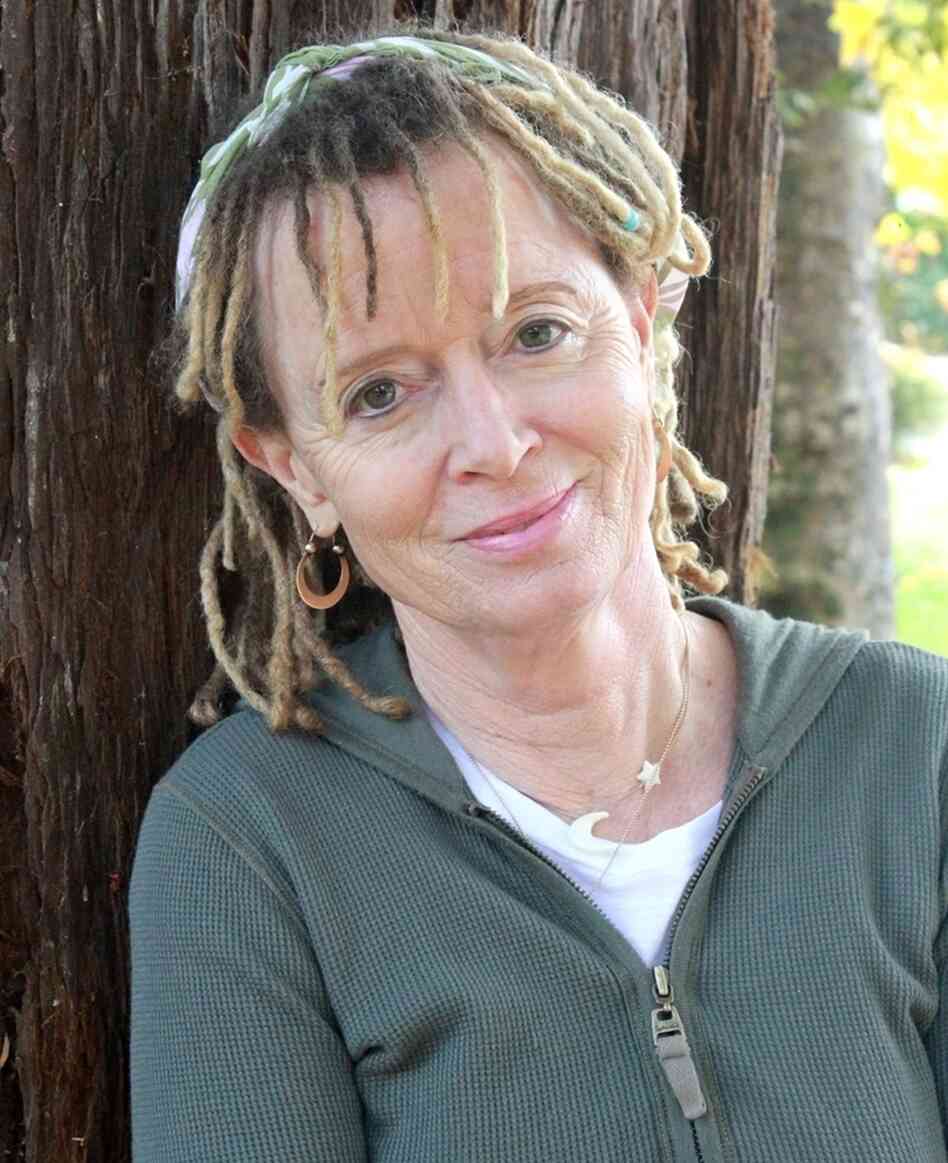
on This American Life:
Today's collection is all about Anne Lamott!
on This American Life:
Writer Anne Lamott presents an example of what we can learn from music outside of formal classes. She tells the story of an airplane trip, a song, and a small miracle.on WAMC:
Renowned author Anne Lamott, whose latest work of non-fiction is Help, Thanks, Wow: The Three Essential Prayers is in town this morning to speak at Hudson Valley Community College in Troy at 11 AM. We are thrilled she stopped by here first.on NPR:
As Thanksgiving draws near, many of us are thinking about what we're thankful for — taking time to consider how best to appreciate what we have in our lives. This year, novelist and memoirist Anne Lamott has focused on using prayer to help express our thanks. Many of her books explore how individuals can transform their lives — how one moves from being troubled to feeling whole. In Lamott's case, she suffered from alcoholism and drug abuse; after hitting rock bottom, she found her faith.on her new book Stitches: A Handbook on Meaning, Hope and Repair:
Best-selling and beloved author Anne Lamott calls life “erratic, beautiful and impossible.” There is so much that makes us happy, that is incredible and joyful in life. But sometimes, life punches us in the gut. And it hurts—a lot and for a long time. Death, illness, national tragedies—they can tear our lives apart. And it doesn’t seem fair, or right. How we deal with these moments, how we make it through—that can define us, she says. In her new book — “Stitches”— Anne Lamott discuss how to cope with grief and hard times. Up next, On Point: Anne Lamott on dealing with the tough and the sad.Anne Lamott Shares Personal Wisdom in 'Plan B':
Anne Lamott is known for her quirky, opinionated and decidedly left-wing take on life. The author of nine previous books, including Hard Laughter and Operating Instructions, Lamott has earned a devoted following — especially among baby boomers — for her essays on faith and everyday life.
Monday, January 07, 2013
Epiphany - Three Kings Day
We totally missed Three Kings Day here at The Midnight Cafe! So, we'll be celebrating tonight, a day late.
Three Kings Day wraps up the 12 Days of Christmas and celebrates the Wise Men, who followed the star and came to see Jesus. Significantly, the wise men were Gentiles. So, Three Kings Day is a celebration of the Messiah coming to both Jews and Gentiles, for the salvation of the whole world.
So, tonight, we will light three candles, including one scented with frankincense, to represent the three wise men (though we know there may have been more), read the story of the wise men from the Bible, and listen to the song We Three Kings.
There are many, many ways to celebrate Epiphany. I just heard yesterday of a family that invites all their friends to bring their Christmas trees and have a huge bonfire on Epiphany. It is a tradition for many families to take down their tree and Christmas decor on this day. Some surprise their children with a few small gifts under the tree that are revealed once the tree is lifted from its stand.
Three Kings Day is commonly celebrated in Hispanic traditions with a King Cake, which hides a figure of the baby Jesus. This represents the flight of the child Messiah from King Herod. The person who finds the figure is supposed to invite everyone to their home for a party on February 2nd, 40 days after Christmas, and serve tamales and atole.
Three Kings Day is a great day for making star crafts with the kiddos:
Three Kings Day wraps up the 12 Days of Christmas and celebrates the Wise Men, who followed the star and came to see Jesus. Significantly, the wise men were Gentiles. So, Three Kings Day is a celebration of the Messiah coming to both Jews and Gentiles, for the salvation of the whole world.
So, tonight, we will light three candles, including one scented with frankincense, to represent the three wise men (though we know there may have been more), read the story of the wise men from the Bible, and listen to the song We Three Kings.
There are many, many ways to celebrate Epiphany. I just heard yesterday of a family that invites all their friends to bring their Christmas trees and have a huge bonfire on Epiphany. It is a tradition for many families to take down their tree and Christmas decor on this day. Some surprise their children with a few small gifts under the tree that are revealed once the tree is lifted from its stand.
Three Kings Day is commonly celebrated in Hispanic traditions with a King Cake, which hides a figure of the baby Jesus. This represents the flight of the child Messiah from King Herod. The person who finds the figure is supposed to invite everyone to their home for a party on February 2nd, 40 days after Christmas, and serve tamales and atole.
Three Kings Day is a great day for making star crafts with the kiddos:
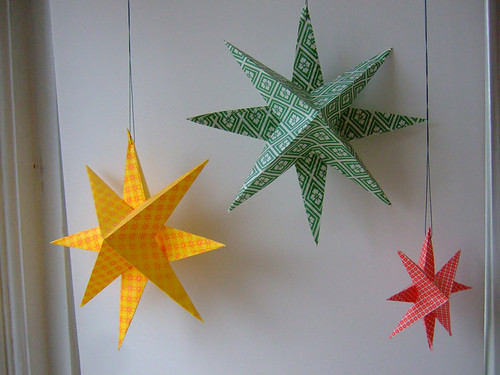 | |
| http://annekata.com/2010/11/tutorial-super-simple-paper-stars/ |
| http://www.thecraftycrow.net/2011/05/paper-bead-stars.html |
Tuesday, December 18, 2012
Jesse Tree 2012 - The Fourth Week
The fourth week of Advent begins with the lighting of the
fourth candle, the candle for love. This is the week we celebrate the arrival of Love. God is love. Emmanuel, God with us...Love with us.
This is also a short week, since Christmas is on Tuesday! Here's what we are planning for our week:
Sunday, December 23rd, 2012
Tonight's reading is about the angels coming to the shepherds and the shepherds visiting Jesus.
Possible Readings:
The Children's Illustrated Bible (Hastings) - The Shepherd's Visit
Ann Voskamp's Advent Devotional - Day 27
Alternate Reading:
The Jesse Tree (McCaughrean) - Angels
Symbols:
Angel and Shepherd's Staff or Sheep
Monday, December 24th, 2012
The final reading is about the Wise Men.
Possible Readings:
The Children's Illustrated Bible (Hastings) - The Wise Men
Alternate Reading:
The Jesse Tree (McCaughrean) - The Brightest Star
Symbol:
Star
Tuesday, December 25th, 2012
There are no readings specified for Christmas Day. But, you may choose to read the story of the birth of Jesus one more time. Maybe you have a special book set aside for this, or maybe you want to read directly from scripture. We like to light all 4 candles and the center candle when we get up in the morning...before going to the grandparents house and starting our festivities for the day.
Merry Christmas!
********************
See other posts about the Jesse Tree and Advent by clicking the label "Jesse Tree" or "Advent" at the bottom of this post.
This is also a short week, since Christmas is on Tuesday! Here's what we are planning for our week:
Sunday, December 23rd, 2012
Tonight's reading is about the angels coming to the shepherds and the shepherds visiting Jesus.
Possible Readings:
The Children's Illustrated Bible (Hastings) - The Shepherd's Visit
Ann Voskamp's Advent Devotional - Day 27
Alternate Reading:
The Jesse Tree (McCaughrean) - Angels
Symbols:
Angel and Shepherd's Staff or Sheep
Monday, December 24th, 2012
The final reading is about the Wise Men.
Possible Readings:
The Children's Illustrated Bible (Hastings) - The Wise Men
Alternate Reading:
The Jesse Tree (McCaughrean) - The Brightest Star
Symbol:
Star
Tuesday, December 25th, 2012
There are no readings specified for Christmas Day. But, you may choose to read the story of the birth of Jesus one more time. Maybe you have a special book set aside for this, or maybe you want to read directly from scripture. We like to light all 4 candles and the center candle when we get up in the morning...before going to the grandparents house and starting our festivities for the day.
Merry Christmas!
********************
See other posts about the Jesse Tree and Advent by clicking the label "Jesse Tree" or "Advent" at the bottom of this post.


Monday, December 10, 2012
Jesse Tree 2012 - The Third Week
The third week of Advent begins with the lighting of the
third candle of Advent, the candle for joy. The joy candle is a different
color than the other candles. Traditionally, it is the pink candle. Now
there will be three candles burning each evening.

Sunday, December 16th
Possible Readings
Tonight's story is the story of Jonah! There are a number of
children's picture books about Jonah, but I don't happen to own any of them. If
you know of a really great one, feel free to let me know in the comments!
Thanks!
The Children's Illustrated Bible (Hastings) Jonah and the Great Fish
The Jesse Tree (McCaughrean) - The McCaughrean book uses a different order and different stories from here until the end of Advent. If you continue with a chapter each night, you will finish the McCaughrean book on Christmas Eve, as planned. Rather than listing two options on days when they don't match up, I'll refer back to this note. Simply keep reading a chapter each night. Use the symbol/ornament that fits with that chapter. Tonight's chapter should be "The Wisdom of Solomon."
Ann Voskamp's Advent Devotional - Day 18 on Jonah
Symbol(s)
Fish (Jonah)
Monday, December 17th
Possible Readings
In our house tonight we will be talking about the prophecies
of Micah and Habakkuk (two days of the Voskamp readings) and reading some of
the story of Elisha (not from McCaughrean, but this is the story covered by
McCaughrean tonight).
The Children's Illustrated Bible (Hastings) - There are 3 chapters about Elisha, beginning with "Elijah's Final Journey." Read them all or choose how much you can read tonight.
One Wintry Night (Graham) - The beginning of chapter 9 speaks
of the prophecy in Micah.
The Jesse Tree (McCaughrean) - Read the next chapter, "War and Peace" (see my note from Sunday, December 16th)
Ann Voskamp's Advent Devotional - Days 19 & 21 on Micah & Habakkuk
Symbol(s)
Dove (to symbolize the Healing power of God/the Holy Spirit
through Elisha), City of Bethlehem (Micah), Tower/Castle (Habakkuk) You
do not need to use all the symbols! There will be a lot of doubling up in the
coming days. It is enough to use what you have!
Tuesday, December 18th
Possible Readings
Today's story is the story of Esther.
A children's picture book about Esther that we enjoy is:
Queen Esther the Morning Star by Mordecai Gerstein
You may also read:
The Children's Illustrated Bible (Hastings) - Esther Becomes
Queen and Esther Saves Her People
Ann Voskamp's Advent Devotional - Day 20 on Esther
Alternate Reading: The Jesse Tree (McCaughrean) - see my note from Sunday,
December 16th
Symbol(s)
Scepter (Esther)
Wednesday, December 19th
Possible Readings - Read the notes here. They're important!
Tonight's reading is about Zachariah and his son, John the
Baptist.
As we get closer to Christmas, the stories are all tied closely
together. It's hard to separate out the pieces. Do whatever works for you.
Maybe even read the whole nativity story each night...or find different
versions of it to read, and then focus for a minute on the piece of the story
for that night - the piece for that night's ornament. There is NO RIGHT WAY to
do this. You have six nights left, and you have many possible people/symbols
left to cover: Mary, Joseph, Zachariah, John the Baptist,
Census/Donkey/Travel to Bethlehem, Shepherds, angels, and the star...not to
mention that you may want to hang a nativity ornament on your Jesse Tree. This
is the way I plan to cover them for the next six nights. I have listed the
symbols that go with each night in parenthesis:
- Zachariah AND John (Pencil, Seashell)
- Mary AND Joseph (Lily, Hammer)
- Donkey and the travel to Bethlehem (Donkey or Town of
Bethlehem)
- Birth of Jesus (Nativity)
- Angels AND Shepherds (Angel, Shepherd's Staff or Sheep)
- Wise Men and the Star (Star)
So tonight:
The Children's Illustrated Bible (Hastings) - see chapters on
Zachariah & John the Baptist
Ann Voskamp's Advent Devotional - Days 22-23 on Zachariah and John
Alternate Reading: The Jesse Tree (McCaughrean) - see my note from Sunday,
December 16th
Symbol(s)
Pencil (Zachariah), Seashell (John)
Thursday, December 20th
Possible Readings
Read about the appearance of the angel to Mary tonight AND
the appearance of the angel to Joseph assuring him that all was well.
Note: Explaining why Joseph was upset about Mary's pregnancy
can be a little sticky. We always said that Joseph was upset because the baby
was not his, and a woman is not supposed to have a baby that does not belong to
her husband. This was special because Mary's baby was from God.
The Children's Illustrated Bible (Hastings) - The Angel
Appears to Mary and the beginning of the section on the Birth of Jesus - just
far enough to cover Joseph.
As your children get older, these picture books may also be
worth reading about Joseph:
The Mark of the Maker by Tom Hegg and Warren Hanson
Father and Son: A Nativity Story written by Geraldine
McCaughrean, illustrated by Fabian Negrin
Ann Voskamp's Advent Devotional - Days 24 & 25 on Mary & Joseph
Ann Voskamp's Advent Devotional - Days 24 & 25 on Mary & Joseph
Alternate Reading: The Jesse Tree (McCaughrean) - see my note from Sunday,
December 16th
Symbol(s)
Lily (Mary), Hammer (Joseph)
Friday, December 21st
Possible Readings
Spend some time talking about that donkey and the trip to
Bethlehem!
This is a wonderful picture book that focuses on the donkey:
Saint Francis and the Christmas Donkey by Robert Byrd
You may also choose to read:
The Children's Illustrated Bible (Hastings) - the beginning of
the section on the Birth of Jesus talks about the census and the trip to
Bethlehem
One Wintry Night (Graham) - End of chapter 9 and beginning of chapter 10
Alternate Reading: The Jesse Tree (McCaughrean) - see my note from Sunday,
December 16th
Symbol(s)
Donkey
Saturday, December 22nd
Possible Readings
Tonight's focus is the birth of Jesus! We love the
children's picture book:
The First Christmas by Carol Heyer
You can also read the story in the these places:
The Children's Illustrated Bible (Hastings) - The Birth
of Jesus
One Wintry Night (Graham) - finish chapter 10
Ann Voskamp's Advent Devotional - Day 26
Alternate Reading: The Jesse Tree (McCaughrean) - see my note from Sunday,
December 16th
Symbol(s)
Nativity
Just two more days of Advent left!!
***********************************************
See other posts about the Jesse Tree and Advent by clicking the label "Jesse Tree" or "Advent" at the bottom of this post. Friday, December 07, 2012
8 Picture Books for 8 Days of Chanukah/Hanukkah
Tomorrow is the first night of Chanukah, which means it's the first of eight nights of double holidays in our house! This means we'll be lighting a lot more candles and bringing together our focus on the miracle of light...literal and figurative. We'll also be having a lot of fun, as Chanukah is a holiday of games, gifts & treats! Break out the gluten free jelly donuts, latkes & applesauce, and the Chanukah books, please!
This year we decided to do a picture-book-a-day Advent calendar. We combined it with our magnetic nativity calendar by placing a slip of paper inside each of the doors, along with the magnetic figures. The slip of paper has a book title, and that's the book we read after putting up the magnetic figure each day.
Because Chanukah is in the middle of Advent this year, I chose Chanukah books to write on the slips of paper for the 8 days of Chanukah. Here they are:
1. Hanukkah Haiku written by Harriet Ziefert, illustrated by Karla Gudeon
2. The Story of Hanukkah written by Bobbi Katz, illustrated by Linda Dockey Graves
3. Beni's First Chanukah written and illustrated by Jane Breskin Zalben
4. In the Month of Kislev: A Story for Hanukkah written by Nina Jaffe, illustrated by Louis August
5. The Hanukkah Mice written by Ronne Randall, illustrated by Maggie Kneen
6. Nine Spoons: A Chanukah Story written by Marci Stillerman, illustrated by Pesach Gerber
7. Snow Crazy written and illustrated by Tracy Gallup AND Stopping By the Woods on a Snowy Evening written by Robert Frost, illustrated by Susan Jeffers (Thess, of course, are not specifically Chanukah books. They're seasonal books, and I wanted to include them in the list somewhere because they're so sweet and beautiful.)
8. Hanukkah Moon written by Deborah da Costa and illustrated by Gosia Mosz
This year we decided to do a picture-book-a-day Advent calendar. We combined it with our magnetic nativity calendar by placing a slip of paper inside each of the doors, along with the magnetic figures. The slip of paper has a book title, and that's the book we read after putting up the magnetic figure each day.
 | |
| The First Six Magnets are up after last night...December 6th |
 |
| A magnetic figure and a slip of paper behind each door |
1. Hanukkah Haiku written by Harriet Ziefert, illustrated by Karla Gudeon
2. The Story of Hanukkah written by Bobbi Katz, illustrated by Linda Dockey Graves
3. Beni's First Chanukah written and illustrated by Jane Breskin Zalben
4. In the Month of Kislev: A Story for Hanukkah written by Nina Jaffe, illustrated by Louis August
5. The Hanukkah Mice written by Ronne Randall, illustrated by Maggie Kneen
6. Nine Spoons: A Chanukah Story written by Marci Stillerman, illustrated by Pesach Gerber
7. Snow Crazy written and illustrated by Tracy Gallup AND Stopping By the Woods on a Snowy Evening written by Robert Frost, illustrated by Susan Jeffers (Thess, of course, are not specifically Chanukah books. They're seasonal books, and I wanted to include them in the list somewhere because they're so sweet and beautiful.)
8. Hanukkah Moon written by Deborah da Costa and illustrated by Gosia Mosz
********************************
Read about why we celebrate Chanukah here: Why Celebrate Chanukah?
Monday, December 03, 2012
Why celebrate Chanukah?
Chanukah begins December 8th this year! That's this coming Saturday, and we've already got our chanukiahs (chanukah menorahs) out and ready to go! We have hung blue lights in our kitchen & put up our Chanukah banner!

So, why do we, as Christian non-ethnically-Jewish people, celebrate Chanukah (and other Biblical holidays, for that matter)? The answer is not actually all that difficult. It's surprising to me, in many ways, that we didn't do this a whole lot sooner:
So, we know that Jesus was Jewish, we know that God brought Jesus, the Messiah and savior of the world, TO the world through the Jewish people. These people were chosen and set apart as the people of the Promise, the people through whom redemption would come. And they were given a set of holidays and traditions that would honor God and keep them focused on serving and remembering the promises throughout the year. Because we, as Christians, serve that very same God, we choose to honor those holiday.
We also choose to honor the holidays that commemorate the times when the Jewish people have been miraculously and supernaturally preserved from destruction. We acknowledge that we serve a God whose covenant is everlasting and cannot be broken. Chanukah is one of these holidays. We believe that we, as believers in the Messiah and servants of the very same God, have been grafted in to the "family tree." In Romans 11 Paul says, speaking of the Gentiles (that's non-Jewish people):

So, why do we, as Christian non-ethnically-Jewish people, celebrate Chanukah (and other Biblical holidays, for that matter)? The answer is not actually all that difficult. It's surprising to me, in many ways, that we didn't do this a whole lot sooner:
So, we know that Jesus was Jewish, we know that God brought Jesus, the Messiah and savior of the world, TO the world through the Jewish people. These people were chosen and set apart as the people of the Promise, the people through whom redemption would come. And they were given a set of holidays and traditions that would honor God and keep them focused on serving and remembering the promises throughout the year. Because we, as Christians, serve that very same God, we choose to honor those holiday.
We also choose to honor the holidays that commemorate the times when the Jewish people have been miraculously and supernaturally preserved from destruction. We acknowledge that we serve a God whose covenant is everlasting and cannot be broken. Chanukah is one of these holidays. We believe that we, as believers in the Messiah and servants of the very same God, have been grafted in to the "family tree." In Romans 11 Paul says, speaking of the Gentiles (that's non-Jewish people):
"...you, although a wild olive shoot, were grafted in among the others and now share in the nourishing root of the olive tree..."
As a "grafted in" part of the tree we celebrate with the tree! We celebrate that the roots have been preserved and that we receive the nourishment of life and hope through this tree!
Jesse Tree 2012 - The Second Week
The second week of Advent begins with the lighting of the second candle of Advent, the candle for peace. Now there will be two candles burning each evening. In 2006, when Mane was 4yrs old, I wrote this reflection on peace: Peace - The second candle of Advent. I'd love to hear the thoughts of others on peace. How do you define peace? What kind of conversation will you have with your children about peace this season?

The Children's Illustrated Bible (Hastings) - all or select chapters on Moses
One Wintry Night (Graham) - Chapter 7 (a reasonably short version of the Exodus and the commandments at Sinai)
The Jesse Tree (McCaughrean) - chapter "Let My People Go"
Ann Voskamp's Advent Devotional - Day10
Ruth and Naomi written and illustrated by Jean Marzollo (scroll down the linked page to see the book)
You may also read:
The Children's Illustrated Bible (Hastings) - Ruth and Naomi
The Jesse Tree (McCaughrean) - chapter "The Foreigner"
Ann Voskamp's Advent Devotional - Day 11
The Children's Illustrated Bible (Hastings) - The Promised Land, Rahab and the Spies, The Battle of Jericho
Ann Voskamp's Advent Devotional - Day 12
The story of Joshua seems like an important story NOT to miss. Joshua and Caleb were the only 2 of the 12 spies, who returned from the land of Canaan and believed that God could deliver them into the land. They saw a land "flowing with milk & honey," while the others saw a land filled with impossible giants and pestilence. Joshua eventually became the leader of the people when Moses died, and he led the first great triumph in the promised land at Jericho.The name "Joshua" means deliverance or salvation and comes from the same root as the name Jesus. Joshua is yet another prophetic picture of the coming Messiah. For more thoughts on this check out this article at Hebrew for Christians: Joshua and Jesus.
The Children's Illustrated Bible (Hastings) - Samuel is Called to Serve God
One Wintry Night (Graham) - Chapter 8 (This chapter flies through the judges, kings and prophets of Israel. It gives a very broad overview - very helpful for tying the story together.)
The Jesse Tree (McCaughrean) - chapter "Speak, Lord, for Your Servant is Listening"
Ann Voskamp's Advent Devotional - Day 13
The Children's Illustrated Bible (Hastings) - all or select chapters on David
The Jesse Tree (McCaughrean) - chapter "The Shepherd King" and "Dancing"
Ann Voskamp's Advent Devotional - Day 14
The Children's Illustrated Bible (Hastings) -The Prophet Isaiah
One Wintry Night (Graham) - Chapter 8 (This chapter flies through the judges, kings and prophets of Israel. It gives a very broad overview - very, very helpful for tying the whole redemption story together.)
The Jesse Tree (McCaughrean) includes here a chapter on King Solomon ("The Wisdom of Solomon") and only mentions the prophecy of Isaiah in the chapter on Elijah ("The Idol and the Still Small Voice"), who we will read about tomorrow.
So, choose what you want your family to read. We will be relying heavily on:
Ann Voskamp's Advent Devotional - Days 15 & 17
The Children's Illustrated Bible (Hastings) - Elijah in the Wilderness, The Israelites Turn Against God
The Jesse Tree (McCaughrean) - chapter "The Idol and the Still Small Voice"
Ann Voskamp's Advent Devotional - Day 16

Sunday, December 9th
Tonight we will light TWO Chanukah candles and read The Story of Hanukkah written by Bobbi Katz, illustrated by Linda Dockey Graves. Then we will light the two Advent candles and read our Jesse Tree story:Readings
Tonight's story is the story of Moses. Tell as much or as little as you have time for. The symbol for your Jesse Tree will be stone tablets. So, you want to be sure to talk about the 10 Commandments. You may also wish to talk about the way Moses was saved by his mother floating him away in a basket and about the Exodus from Egypt, which was led by Moses.The Children's Illustrated Bible (Hastings) - all or select chapters on Moses
One Wintry Night (Graham) - Chapter 7 (a reasonably short version of the Exodus and the commandments at Sinai)
The Jesse Tree (McCaughrean) - chapter "Let My People Go"
Ann Voskamp's Advent Devotional - Day10
Symbol(s)
Stone TabletsMonday, December 10th
Monday we will light three Chanukah candles and read: Beni's First Chanukah written and illustrated by Jane Breskin Zalben. Then we will light the two Advent candles and read our Jesse Tree story:Readings
Tonight we read the story of Ruth.Our favorite children's picture book for this story is:Ruth and Naomi written and illustrated by Jean Marzollo (scroll down the linked page to see the book)
You may also read:
The Children's Illustrated Bible (Hastings) - Ruth and Naomi
The Jesse Tree (McCaughrean) - chapter "The Foreigner"
Ann Voskamp's Advent Devotional - Day 11
Symbol(s)
Bundle of GrainTuesday, December 11th
Tuesday we will light four Chanukah candles and read In the Month of Kislev: A Story for Hanukkah written by Nina Jaffe, illustrated by Louis August. Then we will light the two Advent candles and read our Jesse Tree story:Readings
Today's story is the story of Joshua. This story is not found in either Graham's or McCaughrean's books, but my family has included it for a number of years in our Jesse Tree readings. You can read it directly from scripture and/or:The Children's Illustrated Bible (Hastings) - The Promised Land, Rahab and the Spies, The Battle of Jericho
Ann Voskamp's Advent Devotional - Day 12
The story of Joshua seems like an important story NOT to miss. Joshua and Caleb were the only 2 of the 12 spies, who returned from the land of Canaan and believed that God could deliver them into the land. They saw a land "flowing with milk & honey," while the others saw a land filled with impossible giants and pestilence. Joshua eventually became the leader of the people when Moses died, and he led the first great triumph in the promised land at Jericho.The name "Joshua" means deliverance or salvation and comes from the same root as the name Jesus. Joshua is yet another prophetic picture of the coming Messiah. For more thoughts on this check out this article at Hebrew for Christians: Joshua and Jesus.
Symbol(s)
TrumpetWednesday, December 12th
Wednesday we will light five Chanukah candles and read The Hanukkah Mice written by Ronne Randall, illustrated by Maggie Kneen. Then we will light the two Advent candles and read our Jesse Tree story:Readings
Tonight we will read the story of Samuel:The Children's Illustrated Bible (Hastings) - Samuel is Called to Serve God
One Wintry Night (Graham) - Chapter 8 (This chapter flies through the judges, kings and prophets of Israel. It gives a very broad overview - very helpful for tying the story together.)
The Jesse Tree (McCaughrean) - chapter "Speak, Lord, for Your Servant is Listening"
Ann Voskamp's Advent Devotional - Day 13
Symbol(s)
LampThursday, December 13th
Thursday we will light six Chanukah candles and read Nine Spoons: A Chanukah Story written by Marci Stillerman, illustrated by Pesach Gerber. Then we will light the two Advent candles and read our Jesse Tree story:Readings
Tonight's reading is about King David:The Children's Illustrated Bible (Hastings) - all or select chapters on David
The Jesse Tree (McCaughrean) - chapter "The Shepherd King" and "Dancing"
Ann Voskamp's Advent Devotional - Day 14
Symbol(s)
HarpFriday, December 14th
Friday we will light seven Chanukah candles and read some seasonal stories about snow including: Snow Crazy written and illustrated by Tracy Gallup and Stopping By the Woods on a Snowy Evening written by Robert Frost, illustrated by Susan Jeffers. Then we will light the two Advent candles and read our Jesse Tree story:Readings
This is the night we will read of the prophets foretelling the coming of the Messiah.The Children's Illustrated Bible (Hastings) -The Prophet Isaiah
One Wintry Night (Graham) - Chapter 8 (This chapter flies through the judges, kings and prophets of Israel. It gives a very broad overview - very, very helpful for tying the whole redemption story together.)
The Jesse Tree (McCaughrean) includes here a chapter on King Solomon ("The Wisdom of Solomon") and only mentions the prophecy of Isaiah in the chapter on Elijah ("The Idol and the Still Small Voice"), who we will read about tomorrow.
So, choose what you want your family to read. We will be relying heavily on:
Ann Voskamp's Advent Devotional - Days 15 & 17
Symbol(s)
ScrollSaturday, December 15th
Saturday we will light all eight Chanukah candles and read Hanukkah Moon by Deborah da Costa, illustrated by Gosia Mosz. Then we will light the two Advent candles and read our Jesse Tree story:Readings
Tonight's story is the story of Elijah:The Children's Illustrated Bible (Hastings) - Elijah in the Wilderness, The Israelites Turn Against God
The Jesse Tree (McCaughrean) - chapter "The Idol and the Still Small Voice"
Ann Voskamp's Advent Devotional - Day 16
Symbol(s)
Raven
***********************************************
This is the 8rd post in a series of posts about Advent, Christmas, Jesse
Tree & Chanukah traditions. See the other posts here:
Season's Traditions
Jesse Tree
Season's Traditions
Jesse Tree
Saturday, December 01, 2012
Candles - A reflection for lighting the first candle of Advent

Candles. I love the way they look so warm, and they are so simple. I love the way they flicker with a little life of their own and soften the faces of those gathered around. I love the way those little flames get our attention. Candles are used in many traditions as part of rituals and remembrances. Somehow lighting a candle set this moment apart from the next moment, creating a space, setting aside a time for something.
So, we light candles for Advent. And we light candles for Chanukah. We sometimes have a whole table filled with little, flickering flames...a sea of remembrance...remembering hope, peace, joy, love...remembering deliverance and redemption...remembering that we are here, alive, waiting...anticipating our own redemption.
Take a moment when you light your first Advent candle tomorrow to just stop. Just be. Just wait. Breathe. Listen. Take in the faces around you. Be present. We are setting aside this season, creating sacred space, consecrating these coming nights. The season of Hope begins.
*****************************
My personal reflection on Hope, as I grieve for my mother this Advent season, can be found here: Hope That Burns Us.
Subscribe to:
Posts (Atom)